For those who love flowers but might be allergic The most importantly utilization of a ticket is to give access to and from the stadium grounds. All of our flower arrangements are sealed and are hypo allergic. We offer the perfect gift for all occasions like: Weddings - Bridal Gifts - Birthdays - Anniversaries - Home Decor - Employees - House Warming - Thank You Gift.
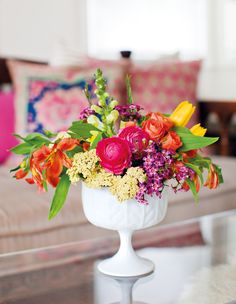
My Decorative Flowers offers bouquets of real roses and real orchids, and single stem roses. You can customize your bouquets with a beautiful selection of colors. Our bouquets are completely handmade, the results of fine attention to detail. ALL FLOWERS ARE REAL TO LAST FOR YEARS! Our flowers are sealed in glass bowls, stemware, vases, wine glasses, candle holders, and can be made with mix assortments of roses and orchids. SEE MORE OF THESE GREAT PRODUCTS "Click Here" MY DECORATIVE FLOWERS IS A UNIQUE PRODUCT. YOU WILL SEE NOTHING LIKE THIS IN THE U.S.A.
NOW EVERYTHING IS ON SALE 25 % OFF!!!
We are importers of these gorgeous rose and orchid bouquets from the far east. Our flowers are real, sealed forever in beautiful glassware. Individually arranged and handcrafted, they will maintain their beauty for many years to come! REAL FLOWERS SET IN VASES.
Chagaguide.com
Pre Paid Legal
Join "ZENZUU"FREE Social Network
and stat making money!
 ==================================
Posts
- Lily Allen playing West End Girl on Radio City's 2026 North American tour included
- Upcoming concerts in Greenville to add to your calendar
- GM Today Events Lauren Alaina
- Listen to your chance to win tickets to see Keith Sweat in Oakland
- Neil Morrissey Martin Clunes meets for UKTV
- Hip hop superstar to perform on New Year's Eve in New Jersey
- The Wiz The Notebook is coming to West Palm Beach for Kravis on Broadway in 2025
- It's a Wrap: The ProRodeo regular season is coming to an end
- Linkin Park at Fiserv Forum on August 25
- Jessie Murph announces a world tour on hysteria before a new album with stops in North America in Europe Australia
- Anne Wilson wins the female artist of the year at the 2024 Love Fan Awards
- Mattie Daughtry spent a decade trying to make high school students sleep more
- Chris D Elia announces the dates of the leader's tour
- Big Rapids Arts Entertainment Movies Nightlife Events
- Fall concerts in the Rocket City you want to see
- Jelly Roll announces a massive tour of 50 Date Arena
- Uickboy
- David Bowie and Bing Crosby: the complete story behind the improbable Christmas duo
- Arena Stage Announcement 2023 24 Season full of heart and hope
- Alentown-Bound a cappella Group Straight No Chaser Navigates in Future on Yacht Rock
- Cage The elephant in the Civic Bill Graham auditorium on July 2
- T-Pain in your living room: Are virtual concerts the future of live entertainment?
- 2 responsible for shooting at the Knoxville rap concert
- Man rescues seagull ‘impaled’ on the Dublin area center lamppost
- International Automobile Radar Sensors Market Analysis by Manufacturers, Generation Capacity, Market Share, Price, Mergers & Products
- APSU offering MiFi wireless hubs to countryside individuals with out internet connection
- Home Depot takes up to 30Per cent off of wise tresses from Schlage, much more for right now only
- Vise Fast-Release Curly hair Down Your Components Permanently
- It really is that period -- get those bird feeders all set
- DEAR EVAN HANSEN Positive Brandon Marinas Routed Hoaxes Sending your line Provide
- How to enhance the quality of air in the home very easily and with limited funds
- Stocks making the most important movements in the premarket WBA, ACN, MKC, CRM, SRE & more


