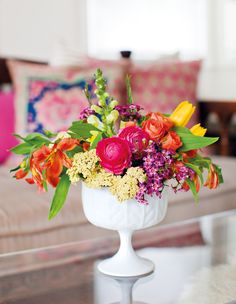
For those who love flowers but might be allergic The most importantly utilization of a ticket is to give access to and from the stadium grounds. All of our flower arrangements are sealed and are hypo allergic. We offer the perfect gift for all occasions like: Weddings - Bridal Gifts - Birthdays - Anniversaries - Home Decor - Employees - House Warming - Thank You Gift.
My Decorative Flowers offers bouquets of real roses and real orchids, and single stem roses. You can customize your bouquets with a beautiful selection of colors. Our bouquets are completely handmade, the results of fine attention to detail. ALL FLOWERS ARE REAL TO LAST FOR YEARS! Our flowers are sealed in glass bowls, stemware, vases, wine glasses, candle holders, and can be made with mix assortments of roses and orchids. SEE MORE OF THESE GREAT PRODUCTS "Click Here" MY DECORATIVE FLOWERS IS A UNIQUE PRODUCT. YOU WILL SEE NOTHING LIKE THIS IN THE U.S.A.
NOW EVERYTHING IS ON SALE 25 % OFF!!!
We are importers of these gorgeous rose and orchid bouquets from the far east. Our flowers are real, sealed forever in beautiful glassware. Individually arranged and handcrafted, they will maintain their beauty for many years to come! REAL FLOWERS SET IN VASES.
Chagaguide.com
Pre Paid Legal
Join "ZENZUU"FREE Social Network
and stat making money!
 ==================================
Posts
- GM Today Events Lauren Alaina
- Listen to your chance to win tickets to see Keith Sweat in Oakland
- Heat Advisory in Effect for Palm Beach County and Treasure Coast
- It's a Wrap: The ProRodeo regular season is coming to an end
- Comedian John Mulaney leaves the 2025 tour with a stop in Grand Prairie
- Pitbull Planning End of summer show in Tuscaloosa s Mercedes benz amphitheater
- Nasty star Cynthia Erivo to play with the Florida Orchestra this week
- Things to do in Memphis Tn
- Things to do in Detroit, MI
- Lee Brice brings an intimate acoustic tour to upstate NY when the tickets are on sale now
- Big Rapids Arts Entertainment Movies Nightlife Events
- Orlando Magic suffocate Toronto Raptors for the third consecutive victory and 17th in the last 23 games
- Uickboy
- Five pilots to watch in the Nascar Xfinity series on Saturday race the Kansas Lottery 300
- Alentown-Bound a cappella Group Straight No Chaser Navigates in Future on Yacht Rock
- Cage The elephant in the Civic Bill Graham auditorium on July 2
- Local events
- How to get tickets to see 21 Savage in Hartford in June?
- Doyle "gene" Bratcher
- 2 responsible for shooting at the Knoxville rap concert
- Finest Buckle Sanders: Erase Rough Edges
- Samsung Galaxy Take note 20 may possibly game a similar design for the Huawei P40 Pro
- It really is that period -- get those bird feeders all set
- Your Single parent's Favored Shoes Are Grails Now
- Lightning’s Display En aning sets off inspiration
- Clemson senior citizens converse on Kelly felix Bryant’s determination to transfer
- Combination your attractiveness drink
- The Latest Trump plays supportive wife or husband at Melania celebration


