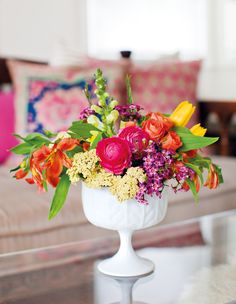
For those who love flowers but might be allergic The most importantly utilization of a ticket is to give access to and from the stadium grounds. All of our flower arrangements are sealed and are hypo allergic. We offer the perfect gift for all occasions like: Weddings - Bridal Gifts - Birthdays - Anniversaries - Home Decor - Employees - House Warming - Thank You Gift.
My Decorative Flowers offers bouquets of real roses and real orchids, and single stem roses. You can customize your bouquets with a beautiful selection of colors. Our bouquets are completely handmade, the results of fine attention to detail. ALL FLOWERS ARE REAL TO LAST FOR YEARS! Our flowers are sealed in glass bowls, stemware, vases, wine glasses, candle holders, and can be made with mix assortments of roses and orchids. SEE MORE OF THESE GREAT PRODUCTS "Click Here" MY DECORATIVE FLOWERS IS A UNIQUE PRODUCT. YOU WILL SEE NOTHING LIKE THIS IN THE U.S.A.
NOW EVERYTHING IS ON SALE 25 % OFF!!!
We are importers of these gorgeous rose and orchid bouquets from the far east. Our flowers are real, sealed forever in beautiful glassware. Individually arranged and handcrafted, they will maintain their beauty for many years to come! REAL FLOWERS SET IN VASES.
Chagaguide.com
Pre Paid Legal
Join "ZENZUU"FREE Social Network
and stat making money!
 ==================================
Posts
- Upcoming concerts in Greenville to add to your calendar
- Toledo oh March 6 8 2020 The Huntington Center
- Listen to your chance to win tickets to see Keith Sweat in Oakland
- Neil Morrissey Martin Clunes meets for UKTV
- Heat Advisory in Effect for Palm Beach County and Treasure Coast
- The Wiz The Notebook is coming to West Palm Beach for Kravis on Broadway in 2025
- It's a Wrap: The ProRodeo regular season is coming to an end
- Comedian John Mulaney leaves the 2025 tour with a stop in Grand Prairie
- Jessie Murph announces a world tour on hysteria before a new album with stops in North America in Europe Australia
- Nasty star Cynthia Erivo to play with the Florida Orchestra this week
- The Queens Four Legends Tour One Stage Chaka Khan Patti Labelle Gladys Knight Stephanie Mills
- Mattie Daughtry spent a decade trying to make high school students sleep more
- Derek Hough puts the dance on for the visit of the holidays
- Jelly Roll announces a massive tour of 50 Date Arena
- Comedy Superstar announces the return to Atlantic City
- Alentown-Bound a cappella Group Straight No Chaser Navigates in Future on Yacht Rock
- Cage The elephant in the Civic Bill Graham auditorium on July 2
- Local events
- T-Pain in your living room: Are virtual concerts the future of live entertainment?
- Haken to play Fauna entirely during the evening with Tour early next year
- Studer Device employs laser treatments to determine milling procedure
- Man rescues seagull ‘impaled’ on the Dublin area center lamppost
- Personalized Financing Site HomeEgg.net Announces Significant Improve 4 New Clever Property Financing Calculators
- The Best Underseat Baggage to acquire in 2019, According to Linen Authorities
- Samsung Galaxy Take note 20 may possibly game a similar design for the Huawei P40 Pro
- A truly fantastic AirPods substitute for Money35
- Amping up: Armadillo Audio to sell alcohol, put in decks
- It really is that period -- get those bird feeders all set
- DEAR EVAN HANSEN Positive Brandon Marinas Routed Hoaxes Sending your line Provide
- Club Soap Come Up With A Come back - Right here Are The Best
- Clemson senior citizens converse on Kelly felix Bryant’s determination to transfer


